Things to Do in Croatia in August
August weather, activities, events & insider tips
Shoulder Season · Good Value
August Weather in Croatia
Temperature, rainfall and humidity at a glance
82°F (28°C)
High Temp
59°F (15°C)
Low Temp
8.2 inches (208 mm)
Rainfall
70%
Humidity
⚠ Heavy rainfall expected, carry rain gear daily
Making the most of August in Croatia? Browse tours and activities in Croatia on GetYourGuide.
Is August Right for You?
Weigh the advantages and considerations before booking
Advantages
- + The Adriatic reaches its peak in August, 26°C (79°F) water that slips over your skin like silk, good for swimming around Hvar's Pakleni Islands without the wetsuit you'd still need in June.
- + Lavender fields blaze purple on Hvar and Brač, releasing a perfume that rivals Provence but without the camera-wielding crowds. Locals begin their harvest in early August, so you arrive when the scent is strongest.
- + Dubrovnik's Summer Festival runs until August 25th, turning the whole Old Town into an open-air theatre with more than 70 performances framed by 16th-century stone.
- + Island-hopping ferries sail every 30-45 minutes instead of the two-hour gaps that plague shoulder season, so a spur-of-the-moment day trip from Split to Vis is suddenly doable.
Considerations
- − Peak pricing slaps everything from ferry tickets to gelato, expect to pay roughly 40-60% more than in May or September.
- − The largest cruise ships tie up daily in Dubrovnik's Gruž harbor, unloading 4,000+ passengers into the Old Town between 8am-6pm. Walk the city walls at 7am or 7pm to keep your sanity.
- − Split's Bacvice Beach shifts from peaceful morning laps to towel-to-towel chaos by 11am. Savvy locals bolt west to Kašjuni Beach instead.
Short on time in August? See day trips around Croatia on GetYourGuide.
Best Activities in August
Top things to do during your visit
Coastal Kayaking Tours
August's glass-calm mornings make sea kayaking from Split to Marjan Hill or Dubrovnik's Lokrum Island almost effortless. The water stays mirror-flat from 6-9am before afternoon winds stir it, and the limestone cliffs throw back golden light that photographers chase all year. Sea temperature has peaked, so an accidental dunk is no May-style shock.
Booking Tip: Reserve 5-7 days ahead through licensed operators, demand is high but not crazy. Morning departures sell out first. See current options in the booking section below.
Blue Cave Speedboat Trips
The Blue Cave on Biševo Island needs direct sun to ignite its electric blue water, August's 13+ hours of daylight give you the longest window (10am-2pm) for the full show. Water clarity tops out this month, making the 45-minute ride from Split through Dalmatian islands worthwhile even before you duck inside the cave.
Booking Tip: Small-group tours (12 people max) cast off from Split harbor at 7:30am to outrun the cruise-ship stampede. Book through the widget below for live availability.
Winery Cycling Routes
Pelješac Peninsula's vineyards are in harvest countdown, grapes hang fat on the vines and cellar doors stay open late. The 25km (15.5 mile) ride from Ston to Orebić climbs 350m (1,148 ft) but repays you with sea panoramas and chilled Pošip tastings. Afternoon temperatures top 32°C (90°F), yet coastal breezes keep the pedals turning.
Booking Tip: Electric bikes are worth every kuna for the hills. Most tours include the ferry from Dubrovnik to Trpanj, check current options below.
Fortress Night Tours
August's 8:30pm sunsets let you climb Dubrovnik's Fort Lovrijenac or Split's Klis Fortress at golden hour and linger for the after-show. Temperature drops to 24°C (75°F) after dark, so the 200+ stone steps feel reasonable. The Adriatic spreads silver-black to the horizon, island lights glinting like loose diamonds.
Booking Tip: Pack a light jacket for wind at height. Tours usually run 6-9pm. Check live night-tour availability in the booking section.
Market-to-Table Cooking Classes
August markets spill over with tomatoes that taste like sunshine, figs oozing honey, and squid so fresh it still shifts color. Split's Pazar Market runs 7am-2pm daily, join a class that starts with 8am coffee and shopping, then turns the haul into peka cooked under the lid by noon. The heat makes the outdoor fire feel more authentic.
Booking Tip: Morning classes dodge the worst heat. Look for small-group sessions (6-8 people) in stone konobas. Current classes are listed below.
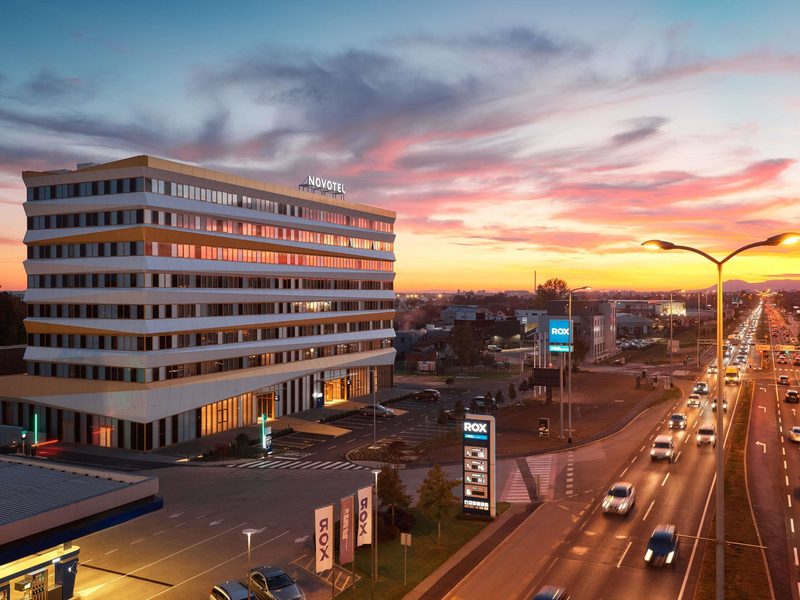
Where to Stay in Croatia in August
Hand-picked hotels across price tiers for August travellers.
Public Holidays in August
Dates that affect opening hours, transport and crowds
Dan pobjede i domovinske zahvalnosti i Dan hrvatskih branitelja
Known in English as Victory and Homeland Thanksgiving Day and the Day of Croatian defenders. Observed nationwide as a public holiday.
Velika Gospa
Known in English as Assumption Day. Observed nationwide as a public holiday.
Dan pobjede i domovinske zahvalnosti i Dan hrvatskih branitelja
Known in English as Victory and Homeland Thanksgiving Day and the Day of Croatian defenders. Observed nationwide as a public holiday.
Velika Gospa
Known in English as Assumption Day. Observed nationwide as a public holiday.
Packing Checklist
Bookmark this page — your progress is saved between visits
Need the full list with shopping links?
Climate-specific gear, brand recommendations, and what to leave at home.
View Croatia Packing List →Essential Tips
Insider knowledge and common pitfalls to avoid
Insider Knowledge
Lock in Split or Dubrovnik old-town apartments 8-10 weeks ahead, the ones with AC are grabbed by repeat visitors who know the August game.
Download the Jadrolinija ferry app, schedules shift daily and paper timetables become scrap after the first storm.
Split's fish market shutters at 8am sharp, locals queue at 7:30 for prime hake and squid, tourists arrive at 9am to empty marble slabs.
Bosnian border crossings near Dubrovnik add 45 minutes to Mostar runs, the shorter coastal route through Neum jams up with cruise-ship buses.
Avoid These Mistakes
Trying to tick off five islands in five days, ferry timetables and heat exhaustion turn the plan into a blur. Choose two islands and live them.
Booking rooms without AC, stone walls trap heat and you'll need that 2pm siesta to survive the night.
Ignoring the wind forecast, the afternoon Maestral can cancel boat trips but hands sailors perfect conditions if you plan ahead.
Ready to plan your trip to Croatia?
Now that you've got the research covered, here's where to go next.
Book Experiences in Croatia
Top-rated things to do in Croatia this August


Explore More Activities in Croatia
Didn't see anything interesting yet?
Browse Viator's full catalog of tours, day trips, food experiences, and private guides in Croatia.
See All Croatia Tours on Viator