Things to Do in Croatia in July
July weather, activities, events & insider tips
High Season · Book Early
July Weather in Croatia
Temperature, rainfall and humidity at a glance
84°F (29°C)
High Temp
60°F (16°C)
Low Temp
5.8 inches (147 mm)
Rainfall
70%
Humidity
⚠ Bura screams through mountain passes at 200 km/h. Maritime forecasts save ferry plans. Cancel sailings when red bars spike. Safety beats selfies.
Making the most of July in Croatia? Browse tours and activities in Croatia on GetYourGuide.
Is July Right for You?
Weigh the advantages and considerations before booking
Advantages
- + The Adriatic hits 24°C (75°F). Warm enough for marathon swimming sessions between Hvar's Pakleni Islands. No August crowds jostle for towel space.
- + Lavender fields on Hvar and Pag burst into violent purple bloom. The air tastes like honey if you bike inland roads at dawn. Tour buses arrive later.
- + Dubrovnik's city walls cast shade by 4pm instead of 6pm. Walk the ramparts at 5pm with golden light. Cooler stone underfoot. 30% fewer cruise-ship day-trippers than August.
- + Split's fishermen still haul in bluefish at 6am along Matejuška pier. Buy a whole sard straight off the boat. Grill it on apartment balconies. Yachts pay 10x more at waterfront restaurants.
Considerations
- − The katabatic bura wind rips through the Velebit Channel for 3-day stretches. Every catamaran between Split and Brač cancels. Calm seas turn into a washing machine.
- − Zagreb feels like a wet sauna. 70% humidity wraps around you the moment you step off the tram. The Sava River smell drifts uphill through Donji Grad by late afternoon.
- − Island water reserves run low. Hvar town restricts showers to certain hours. Tap water starts tasting metallic by late July. Tourist demand outstrips supply.
Short on time in July? See day trips around Croatia on GetYourGuide.
Best Activities in July
Top things to do during your visit
Pakleni Islands Boat Circuits
July's morning glass-off conditions come before the daily maestral picks up at 11am. The 3 km (1.9 mi) channel between Hvar town and Jerolim suits small-group swimming stops. Pine-needle scent from Carpe Diem beach bar drifts kilometer across the water by 2pm. You smell the party before you see it.
Booking Tip: Book skippered boats 5-7 days ahead. Insist on departures before 9am. Beat both wind and yacht traffic. See current options in booking section below.
Krka National Park Early-Entry Waterfall Walks
The park opens at 7am for a reason. By 9:30am the boardwalk above Skradinski Buk holds 400 people. Limestone spray makes the steps slick as ice. July's low river flow means the travertine pools are swimmable above the main falls. Jump in before 8am. You'll have 20 minutes of dragonfly-buzzing silence.
Booking Tip: Purchase online timed entries for the 7-9am slot. After 10am you're swimming with tour groups from Šibenik cruise ships. Licensed operators in booking widget arrange transfers that arrive before gates open.
Pelješac Peninsula Wine-Cellar Cycling
The 25 km (15.5 mi) coastal road from Ston to Orebić gains only 120 m (394 ft) elevation. It passes six family cellars where 2026's pošip grapes are already in barrel. Afternoon sea breezes keep the vineyards 5°C (9°F) cooler than Dubrovnik. Taste white wine at 4pm without wilting.
Booking Tip: Arrange bikes in Ston. Pedal north-to-south with wind at your back. Pre-book cellar visits for 2-4pm when the day's heat peaks. The cellars stay 18°C (64°F).
Zagreb Summer Evenings (Ljetno Večeri)
Locals escape the 70% humidity by hitting Jarun Lake after work. The water stays 22°C (72°F) past sunset. Beach bars project films onto sheets strung between pine trunks. Bring a bottle of rakija from a local konoba. Drinking in public is technically illegal but universally ignored on weeknights.
Booking Tip: No tickets needed. Take tram 6 or 11 to Jarun stop. Walk toward the western shore where trees give natural shade. Events run dusk-to-midnight, Tuesday through Sunday.
Kornati Islands Speedboat Snorkeling
July's salinity peaks at 38‰. Extra buoyancy lets you float higher above the sea-grass meadows around Levrnaka. Limestone cliffs absorb heat all morning. They radiate it back after 4pm. Water temperature inside the coves can hit 26°C (79°F) even when the open Adriatic is cooler.
Booking Tip: Full-day trips from Murter or Zadar include park permits. Ask operators for routes that hit Stomorska on Šolta for lunch. It's the only harbor with freshwater showers to rinse salt before the ride home.
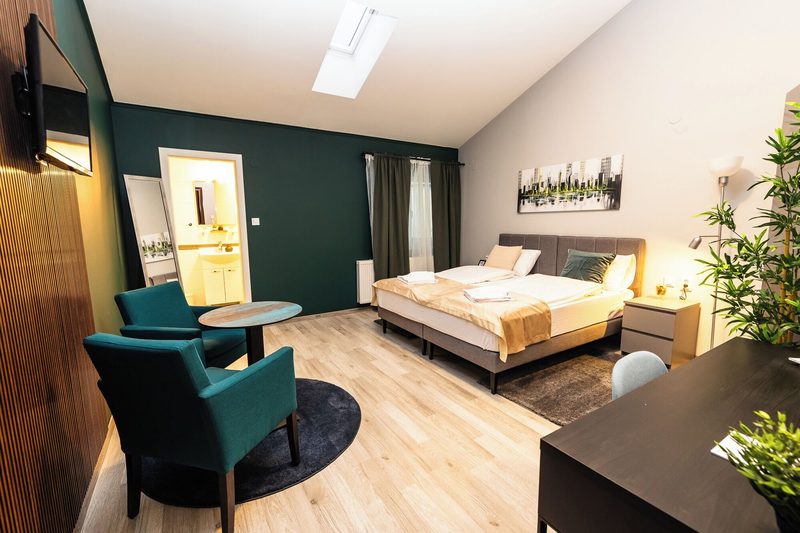
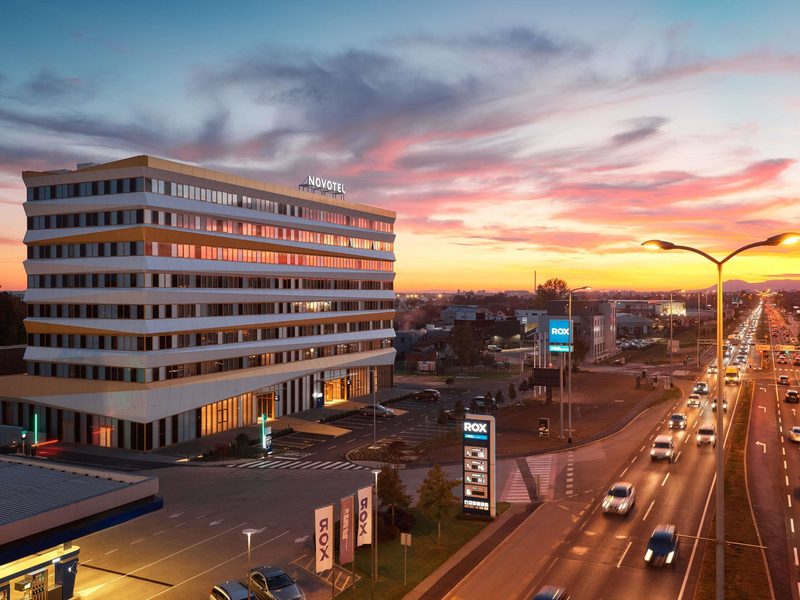
Where to Stay in Croatia in July
Hand-picked hotels across price tiers for July travellers.
Packing Checklist
Bookmark this page — your progress is saved between visits
Need the full list with shopping links?
Climate-specific gear, brand recommendations, and what to leave at home.
View Croatia Packing List →Essential Tips
Insider knowledge and common pitfalls to avoid
Insider Knowledge
Book dinner in Konoba Bako on Šipan island. The restaurant's dock doubles as the nightly fish-market. Your scorpionfish is lifted from the boat at 6pm and grilled by 7pm.
Carry 10 kuna coins for public toilets in Diocletian's Palace. Attendants won't break a 200 kuna note. The nearest ATM hides three alleves underground.
Split's Green Market (Pazar) winds down by 11am. Vendors slash prices on tomatoes and peaches to avoid hauling produce uphill. Haggle hard at 10:45am.
If the bura blows, ferries from Split to Vis swap the normal 2.5-hour route for the northern passage inside the islands. Sea-sickness drops to zero. Arrival time drifts 40 minutes late.
Avoid These Mistakes
Lastovo keeps one ATM. It empties every Saturday when weekenders flood in. Grab kuna on the mainland first. Cash is king here.
Korčula's medieval staircases gleam like marble. Six centuries of soles polished the limestone. Dew hits at 6am. Flip-flops skate. Grip beats grace.
Split to Plitvice and back is 260 km. Five daylight hours vanish on the road. Overnight near Entrance 1 instead. Gates open at 7am. You outrun the buses.
Ready to plan your trip to Croatia?
Now that you've got the research covered, here's where to go next.
Book Experiences in Croatia
Top-rated things to do in Croatia this July


Explore More Activities in Croatia
Didn't see anything interesting yet?
Browse Viator's full catalog of tours, day trips, food experiences, and private guides in Croatia.
See All Croatia Tours on Viator