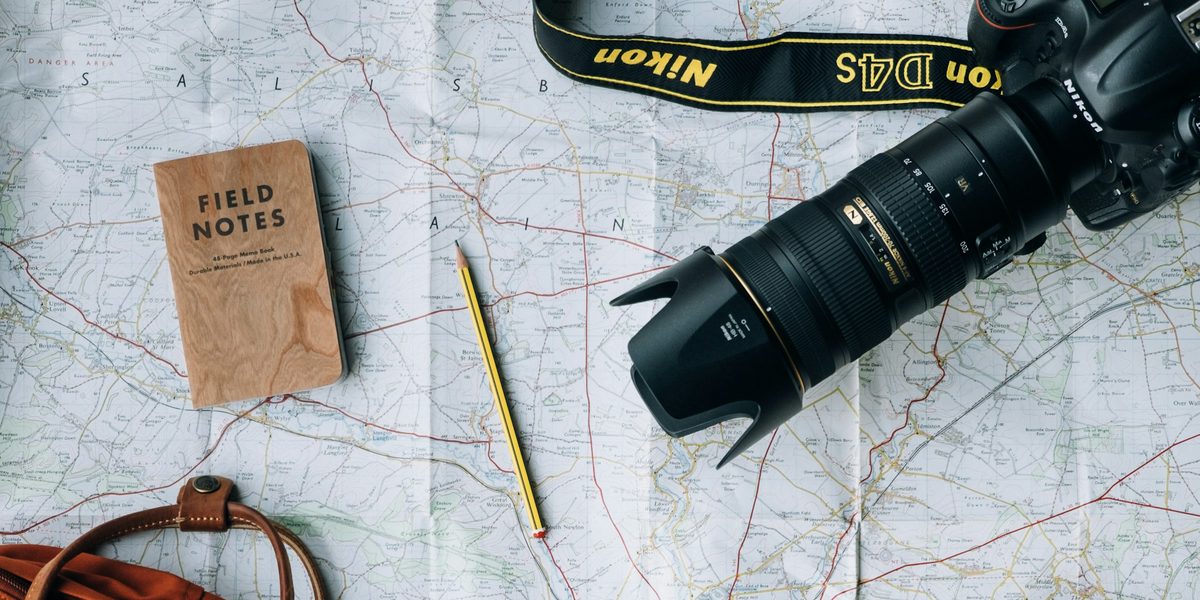
What to Pack for Croatia
Complete packing checklist tailored to Croatia's climate and culture
Climate Overview for Croatia
Croatia's Mediterranean climate delivers long, sunny summers where dry heat pulses from ancient stone walls in coastal towns like Dubrovnik and Split. Salt and pine ride the breeze. Turquoise waves slap pebbled shores without pause. Coastal winters stay mild yet damp, chilled by a cool breeze, while inland Zagreb turns colder and can see snow. This split personality demands versatile packing. Bring lightweight, breathable layers for summer exploration and sturdier, warm options for winter visits or mountain trips. The strong Adriatic sun, glaring off white marble walkways, makes sun protection non-negotiable year-round.
Clothing & Footwear

The summer sun in Croatia bakes coastal cities. These shirts keep you cool while walking Dubrovnik's city walls, where heat reflects off pale stone.
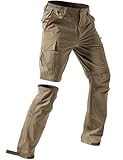
Good for traversing the rocky trails of Paklenica National Park or converting to shorts when you feel the warm breeze on a Split ferry ride.

Good for a dinner in Hvar where grilled seafood scents the night air. The look stays polished yet breathes with the evening breeze.

Essential for beach days on the Dalmatian Coast. They dry quickly after a wave splashes you or after you take a dip in the clear water.

Sudden showers sweep in from the Adriatic, in shoulder seasons. Dark clouds gather over the islands with little warning.

The Croatian sun is intense. This hat shields you while you gaze at the red-tiled roofs of Rovinj or the gleaming white cliffs of Vis.

You will walk miles on uneven cobblestone streets in Korčula. These shoes give support and can get wet when you step off a boat onto a pebbled beach.

For exploring the stone staircases of Zagreb's Upper Town or the forest paths of Plitvice Lakes, where waterfalls echo through the trees.

The humid summer air in Croatia makes quick-dry fabrics a necessity, when moving between coastal towns and inland cities.
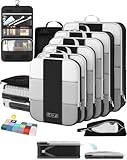

Tuck this in your luggage for day trips to Krka National Park to carry water, a swimsuit, and a towel. You will feel its lightness as you hike.
Electronics & Gadgets

Croatia uses Type C and F plugs (220V). This adapter ensures you can charge devices after a long day of seeing the illuminated Diocletian's Palace.

You will use your phone for maps in Zagreb's winding streets and photos of Plitvice's turquoise lakes all day. This prevents a dead battery.


Protects your phone from spray on Adriatic boat tours and sand on Brač's famous Zlatni Rat beach, where children laugh and play.

Good for reading by the sea, where the glare-free screen lets you see words clearly even in the bright Croatian sun.

Older accommodations in historic centers of Croatia may have limited outlets. This lets you charge multiple devices at once.
Toiletries & Health

Keeps your essentials organized for flights to Croatia and for moving between hotels and private apartments, which is common there.

The Adriatic Sea has delicate ecosystems. High SPF is critical. You will feel the sun's strength even on a breezy day in Makarska.

Useful for treating small scrapes from Croatia's rocky trails or blisters from walking on hot cobblestones in Trogir.
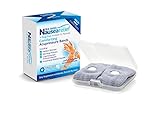
Ferry rides between Croatian islands like Hvar and Korčula can be choppy. These help you enjoy the view of passing cliffs.

Saves liquid space and won't leak in your bag during bus travel along Croatia's scenic coastal highway.

Soothing for skin that has spent the day feeling the Adriatic sun and salt air while swimming near Dubrovnik.
Documents & Security

Keeps your passport and Croatian kuna secure in crowded summer markets in Split or at popular festivals.

Provides peace of mind when walking through busy areas of Zagreb or at crowded beach bars in Croatia.

Secure your bags on trains between Croatian cities or when leaving them at a guesthouse for the day.
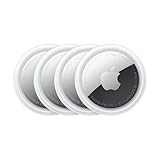
Useful for tracking checked bags on flights into Croatia and for monitoring backpacks on busy ferries.
Comfort & Convenience
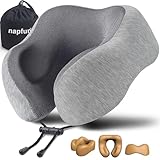
Supports you on long flights to Croatia and on bus journeys along the winding Dalmatian coast.

Essential for sleeping on overnight ferries between Croatian islands or in accommodations with thin curtains.

Blocks noise from lively street cafes in Croatia that stay open late, letting you hear only the distant sea.

Useful on air-conditioned buses traveling from inland Croatia to the coast, where you might feel a chill.
Stay hydrated while hiking in Croatia's national parks. Refill at public fountains in towns like Šibenik.

Good for carrying groceries from a Croatian market or souvenirs like olive oil from Istria.
Outdoor & Hiking Gear

Provides stability on the steep, rocky ascents of Biokovo Mountain or the trails around the waterfalls of Krka.
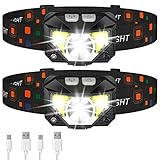
Useful for early morning starts to hike before the Croatian heat or for exploring coastal caves.
Beach & Water Gear

Dries fast after swimming in the Adriatic, good for hopping between coves on the Elaphiti Islands near Dubrovnik.
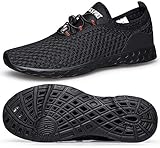
Protects your feet from sharp stones and sea urchins on Croatia's pebbly beaches, like those in Budva.


Provides extra sun protection for long days on the water sailing the Kornati archipelago, where shade is scarce.
Seasonal Packing Adjustments
What to add or skip depending on when you visit
Summer
June, July, August
Add: Rash Guard UPF 50+, Wide-Brim Sun Hat, Water Shoes, Extra Reef-Safe Sunscreen
Shop Summer essentials →Skip: Heavy Jacket, Warm Layers
Pack the lightest clothing possible. The air in coastal Croatia is hot and dry. You will need sun protection every single day. Book ferries and popular attractions like Plitvice Lakes well in advance.
Shoulder Seasons
April, May, September, October
Add: Lightweight Rain Jacket, Light Sweater or Fleece, Long Pants
Shop Shoulder Seasons essentials →Layering is key. Days are warm and sunny, good for seeing sights without summer crowds. But evenings bring a cool breeze off the Adriatic. You might smell woodsmoke from restaurant terraces.
Winter
November, December, January, February, March
Add: Insulated Waterproof Jacket, Warm Hat and Gloves, Sturdy Waterproof Boots, Thermal Layers
Shop Winter essentials →Skip: Beach Towel, Swimwear, Rash Guard
Coastal Croatia stays damp and chilly, with occasional rain. Inland and in the mountains, you will see snow and feel freezing temperatures. Pack for city breaks in Zagreb. Bring warm, windproof layers for the coast. Layering is key.
Luggage Recommendation
Opt for a carry-on sized spinner suitcase or a 40L travel backpack. Cobblestone streets, stairs in old towns, and ferry travel in Croatia make maneuverability and easy carrying essential. Ensure your bag has sturdy wheels and can be comfortably carried up several flights of stairs, as many historic accommodations lack elevators. A separate foldable daypack is highly recommended for excursions. Pack smart.
Shop Carry-On Luggage on AmazonPro Packing Tips
Practical advice from experienced travelers
Don't Pack
- Skip beach towels from home. They are bulky. Instead, buy a large, inexpensive towel at a local supermarket like Konzum or a beach kiosk in any coastal town. Easy fix.
- Leave heavy guidebooks. They add weight. Grab a free city map from your hotel or use a digital guide. Your back will thank you.
- Ditch a full-sized bottle of shampoo or shower gel. These are easy to find at any DM drogerie markt store, which are common in Croatia. Travel lighter.
- Forget formal evening wear. Croatian dining, even in nice restaurants in Dubrovnik, is smart-casual. Pack versatile layers instead. Dress codes relax here.
- Avoid multiple pairs of jeans. They are slow to dry and can be uncomfortably heavy in the summer heat of Croatia. Choose quick-dry fabrics.
- Do not bring an excessive amount of cash. ATMs (bankomats) are widely available, and card payments are accepted almost everywhere in Croatia. Cards rule.
Buy Locally
- Skip a local SIM card for data. Purchase a tourist SIM from providers like T-Mobile (Telemach) or A1 at their stores in airport arrivals or city centers. This is cheaper than international roaming. Save money.
- Do not pack snorkeling gear. If you decide to snorkel, basic sets are affordable at beachside shops in major resorts like Bol or Hvar Town. Rent instead.
- Stop buying plastic water bottles. Instead, carry a refillable bottle. Tap water is safe to drink in Croatia, and you can refill at public fountains. Stay green.
- Avoid traditional souvenirs early. Wait to buy items like lavender sachets, olive oil, or truffle products directly from producers in Istria or on the islands for better quality and price. Patience pays.
- Leave beach mats or umbrellas. These are readily available for rent on most Croatian beaches for a small daily fee. Rent on arrival.
Packing Hacks
- Roll clothes instead of folding to save space
- Pack shoes in shower caps to protect clothes
- Use packing cubes to stay organized
- Keep essentials in your carry-on
Continue Planning Your Trip
More guides to help you prepare
Ready to plan your trip to Croatia?
Now that you've got the research covered, here's where to go next.