Things to Do in Croatia in January
January weather, activities, events & insider tips
Low Season · Budget Friendly
January Weather in Croatia
Temperature, rainfall and humidity at a glance
77°F (25°C)
High Temp
68°F (20°C)
Low Temp
2.0 inches (51 mm)
Rainfall
70%
Humidity
⚠ Meet the Bura. This northeasterly can howl in, cancel ferries, drop temperatures fast. It rarely lasts beyond three days. Watch forecasts.
Making the most of January in Croatia? Browse tours and activities in Croatia on GetYourGuide.
Is January Right for You?
Weigh the advantages and considerations before booking
Advantages
- + Croatia's headline acts are yours alone. Dubrovnik's marble alleys echo with one set of footsteps, and the queue at Diocletian's Palace in Split simply vanishes. January lets you see the postcard icons the way they were meant to be seen.
- + The light is unreal. A low, knife-sharp sun throws long shadows over Hvar Town's terracotta roofs and freezes Plitvice's waterfalls into crystal. Every frame looks shot at golden hour.
- + Prices dip hard. You won't hit rock bottom, yet a room inside the historic core that costs a fortune in July is suddenly doable. Booking the hottest konoba in town becomes a five-minute phone call, not a mission.
- + The Adriatic turns moody. Too cold for swimming, yes, but the sea is a deep, brooding blue. Walk the Makarska Riviera or Marjan peninsula in Split. Pine and salt ride the cool breeze. Bracing. Beautiful.
Considerations
- − Many islands go dark. Blue ferries still sail, yet Hvar, Korčula, and Vis feel like the morning after a festival. Family guesthouses are locked. Beach bars are bare concrete slabs. Choices shrink.
- − Weather is a gamble. You might score crisp, sunny hiking days. Or the Bura can howl for a week, closing roads and scrubbing boat tours. Build indoor back-ups into every plan.
- − Daylight is short. Sun drops around 4:30 PM. Sightseeing becomes a race against the clock. Start early. Move fast.
Short on time in January? See day trips around Croatia on GetYourGuide.
Best Activities in January
Top things to do during your visit
Coastal City & Palace Exploration
Now you can *see* Croatia's urban masterpieces without the human scrum. In Split, trace the sun-warmed stone of Diocletian's Palace walls without a tour group shoving you onward. In Dubrovnik, walk the full circuit of the walls at your own tempo, hearing only the Adriatic slap the rocks and the distant Franciscan bells. Empty streets turn monuments into experiences. Mild daytime temps reward long, slow walks.
Booking Tip: Most sites need no advance ticket in January. Simply show up. For context that makes the stones talk, hire a licensed local guide running private or small-group walks. Availability is high and the chat is personal. Check current options below.
National Park Day Trips
Plitvice in January is frozen lace over emerald water. Frost powders the boardwalks, crowds are thin, and the soundtrack is waterfalls and your boots crunching ice. Paklenica near Zadar delivers the same solitude inside dramatic canyons, January's clear air slicing views of the Velebit range.
Booking Tip: Check official park sites for seasonal ice closures. Group shuttles from the coast shrink. Rent a car for freedom, or book a private driver tour a day or two ahead. See the widget for live deals.
Istrian Hill Town & Truffle Tours
Inland Istria wakes up in winter. Motovun, Grožnjan, and Oprtalj trade summer sweat for wood-smoke serenity under grey skies. January is prime for winter black truffle. Walk leafless oak forests behind trained dogs, earth damp and fragrant, then taste truffle pasta, cheese, and oil in a warm konoba.
Booking Tip: Truffle hunts fill fast. Reserve at least a week ahead. Pick operators who partner with licensed foragers and include a full tasting meal. Browse available experiences below.
Wine Tasting in Dalmatian Karst
Vines on Pelješac and Korčula are dormant. Yet the cellars glow. Winemakers finally have time to talk. Taste powerful Plavac Mali reds and crisp Pošip whites, served with pršut and Paški cheese in stone rooms that smell of oak and earth. No rush.
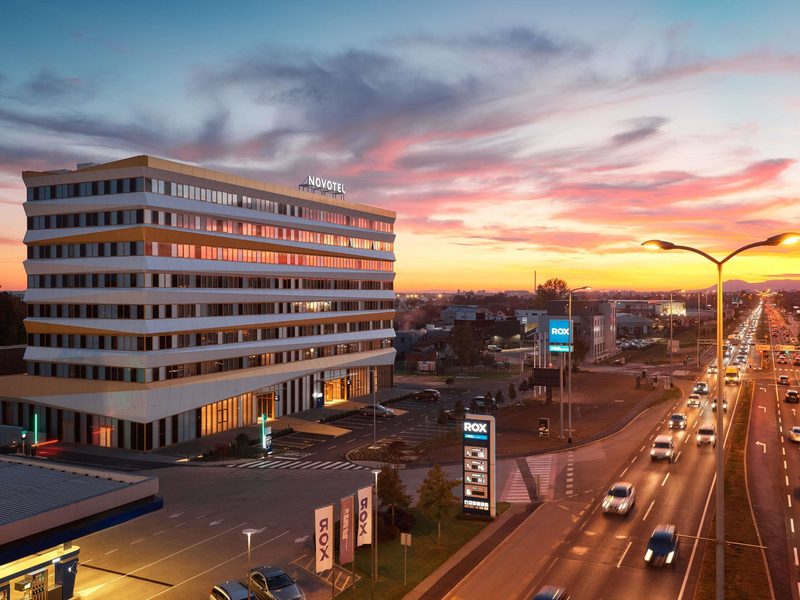
Where to Stay in Croatia in January
Hand-picked hotels across price tiers for January travellers.
Public Holidays in January
Dates that affect opening hours, transport and crowds
Nova Godina
Known in English as New Year's Day. Observed nationwide as a public holiday.
Bogojavljenje, Sveta tri kralja
Known in English as Epiphany. Observed nationwide as a public holiday.
Nova Godina
Known in English as New Year's Day. Observed nationwide as a public holiday.
Bogojavljenje, Sveta tri kralja
Known in English as Epiphany. Observed nationwide as a public holiday.
Packing Checklist
Bookmark this page — your progress is saved between visits
Need the full list with shopping links?
Climate-specific gear, brand recommendations, and what to leave at home.
View Croatia Packing List →Essential Tips
Insider knowledge and common pitfalls to avoid
Insider Knowledge
Order what the season gives. Menus shrink yet sharpen. Expect winter cabbage, wild mushrooms, Ston oysters, the black truffle that made Dalmatia famous. Pašticada, the long simmered beef stew, rules the pot.
Ferry and bus runs thin out. Check Jadrolinija timetables the night before. One cancelled boat can strand you.
Small town museums close earlier and often take Monday off. Double check hours before you ride across the bay.
Coffee culture retreats indoors. Locals cram into steamy kavanas. Espresso machines hiss. Dominoes click. Stay warm.
Avoid These Mistakes
Forget summer island hopping. Choose one base with year round life, Hvar Town or Korčula Town. Stay put.
Never mock the wind chill. A calm harbor lies. Out in the channel the Bura bites. Dress for skiing on water.
Do not trust Google alone. Call restaurants, on islands. Many shut for a January family week.
Ready to plan your trip to Croatia?
Now that you've got the research covered, here's where to go next.
Book Experiences in Croatia
Top-rated things to do in Croatia this January


Explore More Activities in Croatia
Didn't see anything interesting yet?
Browse Viator's full catalog of tours, day trips, food experiences, and private guides in Croatia.
See All Croatia Tours on Viator