Things to Do in Croatia in November
November weather, activities, events & insider tips
Low Season · Budget Friendly
November Weather in Croatia
Temperature, rainfall and humidity at a glance
77°F (25°C)
High Temp
68°F (20°C)
Low Temp
2.0 inches (51 mm)
Rainfall
70%
Humidity
Making the most of November in Croatia? Browse tours and activities in Croatia on GetYourGuide.
Is November Right for You?
Weigh the advantages and considerations before booking
Advantages
- + You'll have the country's signature coastal landscapes practically to yourself. The summer crush on Dubrovnik's Stradun or Plitvice Lakes' boardwalks has evaporated. Your footsteps echo off limestone walls. The waterfalls murmur, not roar. The light is softer, the air clearer.
- + Prices across the board tend to be significantly lower. Accommodation, from Dubrovnik's stone-walled boutique hotels to Split's Old Town apartments, sees a noticeable drop. Last-minute availability pops up at places that demand bookings months in advance during peak season.
- + The Adriatic Sea is still surprisingly swimmable for the hardy, hovering around 68°F (20°C). Jellyfish vanish, so the water stays clear and uninterrupted off places like the Pakleni Islands near Hvar or the coves around Korčula Town.
- + Local life re-emerges. In towns like Rovinj or Trogir, menus shift from generic tourist fare to heartier, autumnal dishes. Think maneštra (Istrian bean and meat stew), black truffle pasta, slow-cooked peka roasts. The conversations in konobas are in Croatian again.
Considerations
- − The famous Dalmatian ferry network to the islands switches to a reduced winter schedule in late October. Spontaneous island-hopping becomes nearly impossible. Plan your coastal itinerary around fixed, less frequent sailings.
- − Many seasonal businesses, beach bars, certain boat tour operators, and family-run konobas on smaller islands, shutter completely from November through March. The coastal strip can feel quiet, even somber, in places.
- − While the days can be gloriously sunny and warm, the weather is unpredictable. You might get a week of 77°F (25°C) perfection. Or a stretch of bora winds roaring down from the Velebit mountains, bringing a damp chill that cuts through layers.
Short on time in November? See day trips around Croatia on GetYourGuide.
Best Activities in November
Top things to do during your visit
Private Boat Tours of the Elafiti Islands
This is the absolute best way to experience the Dalmatian coast in November. The summer flotilla is gone, leaving the sea glassy and empty. Glide into the hidden Blue Cave on Šipan without another soul in sight. The water glows electric blue. The light is good for photography. Your skipper will likely have time for spontaneous detours to secluded pebble coves you'd share with fifty other boats in July. The sea air has a crisp, salty bite. But the sun on the deck is still warm.
Booking Tip: This is the month to splurge on a private charter, as prices are often more favorable. Book at least a week ahead to secure a quality operator. Look for those with covered areas or cabins for shelter in case the wind picks up. See current options for Elafiti Islands tours in the booking widget below.
Without the shoulder-to-shoulder summer press, you can appreciate the texture of Diocletian's Palace in Split. Feel the cool, smooth marble underfoot, hear the echo of your guide's voice in the Peristyle courtyard. In Dubrovnik, walking the city walls becomes a contemplative experience rather than a tactical exercise in crowd navigation. You'll hear the clatter of restaurant chairs being set up in the morning, catch the scent of roasting coffee from a hidden courtyard, and feel the ancient stone still holding the day's warmth as the sun sets.
Booking Tip: Small-group or private tours offer the best value now. Licensed guides are more readily available, and you can often book just a day or two in advance. Look for tours that focus on storytelling and history rather than just hitting photo spots.
National Park Hiking (Plitvice Lakes & Krka)
November transforms these parks. The summer humidity lifts, and the deciduous trees around Plitvice's upper lakes blaze with color. Gold and amber leaves reflect in the turquoise water. The boardwalks are navigable without the constant stop-and-go of peak season. At Krka, the roar of Skradinski Buk falls is more pronounced without the din of swimmers. The air smells of damp earth and fallen leaves. It's the perfect temperature for a long, vigorous walk.
Booking Tip: Check park websites for any seasonal trail closures or reduced hours. Wear sturdy, waterproof hiking boots. The paths can be slick with morning dew and fallen leaves. No need to book park entry far in advance at this time.
Istrian Hill Town & Truffle Exploration
Inland Istria comes into its own as the coast quiets down. The medieval hill towns of Motovun, Grožnjan, and Buzet are draped in autumn mist, their cobbled streets silent but for the crunch of leaves underfoot. This is peak truffle season. The damp, earthy smell of the Motovun forest is potent, and menus everywhere feature the prized tuber. Spend a day tasting olive oil in a stone mill, sipping Malvazija wine in a vaulted cellar, hunting for truffles with a dog and a local. It's classic November Croatia.
Booking Tip: Truffle hunting experiences should be booked a few weeks ahead, for weekends. Many include a multi-course lunch, so come hungry. Self-driving the Istrian interior is easy and scenic this time of year.
Adventure Quad or 4x4 Tours
The dry, firm trails of the Dalmatian hinterland or the Istrian interior are good for off-road exploration in November. Kick up dust through pine forests. Get panoramic views of the coastline without haze. Feel the cool wind on your face. It's an active, exhilarating way to see landscapes that are often overlooked for the sea. The scent of wild sage and rosemary crushed under tires fills the air.
Booking Tip: Operators run tours year-round weather permitting. Book a few days in advance and confirm the route. Some coastal trails may be muddy after rain. They'll provide all necessary gear. But dress in layers you don't mind getting dusty.
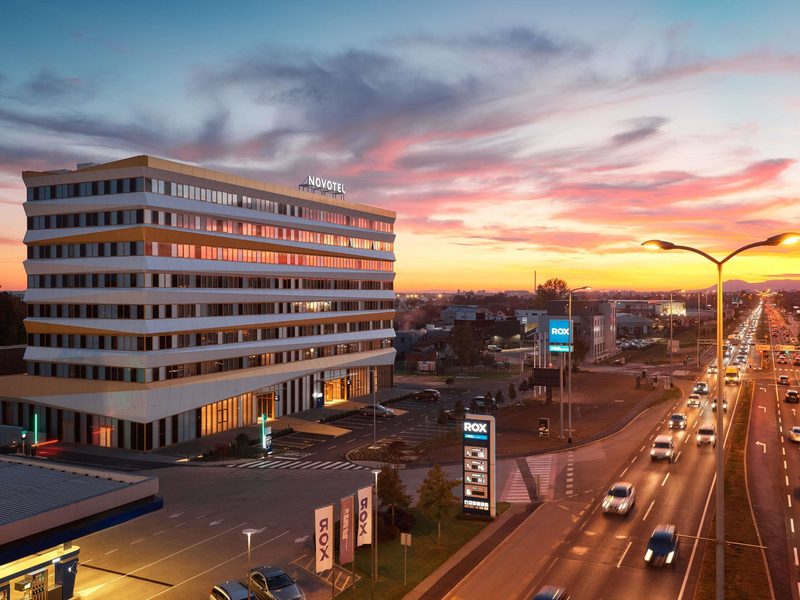
Where to Stay in Croatia in November
Hand-picked hotels across price tiers for November travellers.
Public Holidays in November
Dates that affect opening hours, transport and crowds
Dan svih svetih
Known in English as All Saints' Day. Observed nationwide as a public holiday.
Dan sjećanja na žrtve Domovinskog rata
Known in English as Remembrance Day. Observed nationwide as a public holiday.
Dan svih svetih
Known in English as All Saints' Day. Observed nationwide as a public holiday.
Dan sjećanja na žrtve Domovinskog rata
Known in English as Remembrance Day. Observed nationwide as a public holiday.
Dan svih svetih
Known in English as All Saints' Day. Observed nationwide as a public holiday.
Dan sjećanja na žrtve Domovinskog rata
Known in English as Remembrance Day. Observed nationwide as a public holiday.
Packing Checklist
Bookmark this page — your progress is saved between visits
Need the full list with shopping links?
Climate-specific gear, brand recommendations, and what to leave at home.
View Croatia Packing List →Essential Tips
Insider knowledge and common pitfalls to avoid
Insider Knowledge
Book a rental car. November delivers empty highways, free parking in coastal towns, and the freedom to chase sunshine inland when clouds hug the shore.
Head south. Dubrovnik, Korčula, and Hvar keep their warmth longest; Istria and the Kvarner Gulf cool first.
Keep Zagreb on the list. Late November brings candlelit kavana culture and Advent stall setups. The city feels Vienna meets Ljubljana, not Mediterranean.
Order 'gablec' or 'marenda'. These noon worker plates in konobas deliver heaps of stew or grilled fish for pocket change. Eat with locals.
Avoid These Mistakes
Never assume ferries sail daily. Check Jadrolinija's winter timetable before locking island plans. Some lines drop to one trip per day or none.
Don't pack solely for postcards. That 77°F (25°C) high is a midday spike. After sunset you'll want wool at the waterfront.
Resist island hop mania. Base yourself on Hvar or Korčula and explore instead of chasing summer-style whistle-stop tours.
Ready to plan your trip to Croatia?
Now that you've got the research covered, here's where to go next.
Book Experiences in Croatia
Top-rated things to do in Croatia this November


Explore More Activities in Croatia
Didn't see anything interesting yet?
Browse Viator's full catalog of tours, day trips, food experiences, and private guides in Croatia.
See All Croatia Tours on Viator