Things to Do in Croatia in October
October weather, activities, events & insider tips
Low Season · Budget Friendly
October Weather in Croatia
Temperature, rainfall and humidity at a glance
77°F (25°C)
High Temp
68°F (20°C)
Low Temp
2.0 inches (51 mm)
Rainfall
70%
Humidity
⚠ Bora wind events can hit 120 km/h (75 mph) and shut down every boat for 24-48 hours. Plan flex days or watch plans snap like mooring lines.
Making the most of October in Croatia? Browse tours and activities in Croatia on GetYourGuide.
Is October Right for You?
Weigh the advantages and considerations before booking
Advantages
- + The Adriatic is still swimmable at 68°F (20°C) - locals call it 'post-season silk' because the salt content peaks after summer evaporation, making you float higher and stay warmer
- + Truffle country explodes: Istria's white truffles hit their aromatic peak mid-October, and every konoba from Motovun to Buzet serves shaved pasta that smells like earthy gasoline and garlic
- + Croatia's wine harvest happens now - family-run cellars in Korčula and Pelješac let you taste grappa straight from the copper stills, something they won't do in July when tourists outnumber grapes
- + Dubrovnik's city walls empty by 60% after October 15th - you can walk the 2 km (1.2 mile) circuit at sunset and hear the limestone echo your footsteps
Considerations
- − The Bora wind starts punching through Velebit Channel - gusts hit 120 km/h (75 mph) and cancel catamaran routes to Hvar and Vis without warning, stranding travelers for days
- − Days shrink fast: sunlight drops from 11.5 hours early October to 10 hours by month's end, meaning your island-hopping window closes by 5 PM instead of 7 PM
- − Many beach clubs and waterfront bars shutter October 31st - the famous Zrće beach parties end with a whimper, not a bang, and you'll find locked gates where August had thumping bass
Short on time in October? See day trips around Croatia on GetYourGuide.
Best Activities in October
Top things to do during your visit
Istria Truffle Hunting Tours
October is when Istria's white truffles reach peak ripeness - the soil temperature hits that sweet spot where Tuber magnatum releases its strongest aroma. You'll follow trained dogs through Motovun forest at dawn, when truffle vapors rise with the mist. The experience ends with fresh pasta shaved tableside in a 200-year-old konoba, something impossible during summer tourist rush.
Booking Tip: Book 5-7 days ahead through licensed agritourism operators who work directly with local truffle hunters. Morning tours start at 6 AM to catch optimal scent conditions.
Pelješac Wine Road Cycling
The grape harvest means vineyards are alive with activity - workers clipping plavac mali clusters by hand, tractors hauling crates to family cellars. October's 70°F (21°C) afternoons are good for the 25 km (15.5 mile) ride between Ston and Orebić, with stops at cellars that pour 2026's young wine straight from stainless tanks. The sea views from Dingač vineyards hit different when the vines turn rust-colored.
Booking Tip: Rent bikes in Ston - electric bikes handle the 500 m (1,640 ft) climbs through Dingač terraces. Start early to avoid Bora winds that typically pick up after 2 PM.
Dubrovnik City Walls Sunset Walks
October light turns the limestone golden-pink for exactly 47 minutes before sunset - photographers call it 'Croatian hour.' With cruise ships gone, you can set up a tripod without getting jostled. The Adriatic below shifts from sapphire to pewter as the temperature drops, and you'll hear church bells from four different parishes echoing across the rooftops.
Booking Tip: Buy tickets online to skip the queue. But arrive 90 minutes before sunset to walk the full 2 km (1.2 mile) circuit. Bring a light jacket - the stone radiates heat but wind cools fast after sunset.
Krka National Park Photography Tours
October water levels drop just enough to reveal the travertine formations that make Skradinski Buk waterfalls photogenic - summer's crowds would block these shots. The surrounding maple forests turn copper, creating reflections in the emerald pools that Instagram can't replicate. Morning mist rises from the 17 waterfalls when temperatures hit 59°F (15°C), giving that ethereal look.
Booking Tip: Enter through Skradin village - the 4 km (2.5 mile) boat ride up the canyon shows fall colors at water level. Early entry at 8 AM beats even October's reduced crowds.
Split Culinary Market Tours
October's Green Market (Pazar) explodes with seasonal produce - black cabbage called 'raštika' that locals pickle for winter, pomegranates split open to test ripeness, and figs so dense they ooze nectar. The fish market sells mackerel caught overnight when October's moon is brightest - Croatians believe lunar cycles affect fish flavor. You'll taste peka cooking with young wine, a combination impossible to find in tourist restaurants.
Booking Tip: Join tours that start at 7 AM when fishermen unload - the best anchovy and sardine selections disappear by 8:30 AM. Look for guides who shop with their grandmothers - they know which stalls discount for locals.
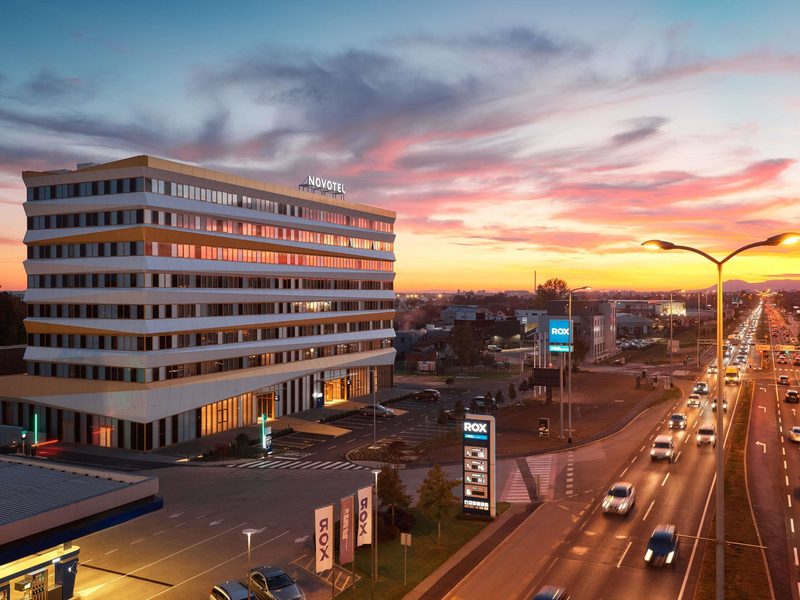
Where to Stay in Croatia in October
Hand-picked hotels across price tiers for October travellers.
Packing Checklist
Bookmark this page — your progress is saved between visits
Need the full list with shopping links?
Climate-specific gear, brand recommendations, and what to leave at home.
View Croatia Packing List →Essential Tips
Insider knowledge and common pitfalls to avoid
Insider Knowledge
Sleep in stone, not concrete. Limestone walls hoard October's leftover heat and stay toastier than modern builds when nights dip to 68°F (20°C). Book one of the old village houses. You'll feel the difference at 2 a.m.
Hunt for smoke-darkened rafters and a table that rocks. Locals still eat there. October truffle dishes taste real, not tourist. Skip the polished konobas. Wobble equals authenticity.
Ferry timbers flip on October 31. The Split-Hvar catamaran shrinks from 4 daily to 2 daily. Add buffer days. Miss the last boat and your island chain unravels.
Harvest crews sell baby wine from plastic jugs in village markets. Technically illegal, totally normal. Bring your own 1-liter bottle. Pay the local price, not the visitor markup. Tradition beats regulation.
Avoid These Mistakes
Tourists stash bikinis after September. Croatians keep swimming until November if the thermometer hits 70°F (21°C). Jump in. The Adriatic is yours alone.
Outdoor pools die on October 15. Staff contracts end, gates lock, even if the sun still pushes 75°F (24°C). Pick a hotel for the sea, not the chlorinated rectangle.
Check the Bora forecast. Gusts can kill ferries for 48 hours. Stranded with a non-refundable island room, you'll watch your cash blow away with the spray.
Leave white sneakers at home. October's red vineyard soil plus limestone dust tattoos canvas within hours. Pack dark kicks. Thank me later.
Ready to plan your trip to Croatia?
Now that you've got the research covered, here's where to go next.
Book Experiences in Croatia
Top-rated things to do in Croatia this October


Explore More Activities in Croatia
Didn't see anything interesting yet?
Browse Viator's full catalog of tours, day trips, food experiences, and private guides in Croatia.
See All Croatia Tours on Viator