Things to Do in Croatia
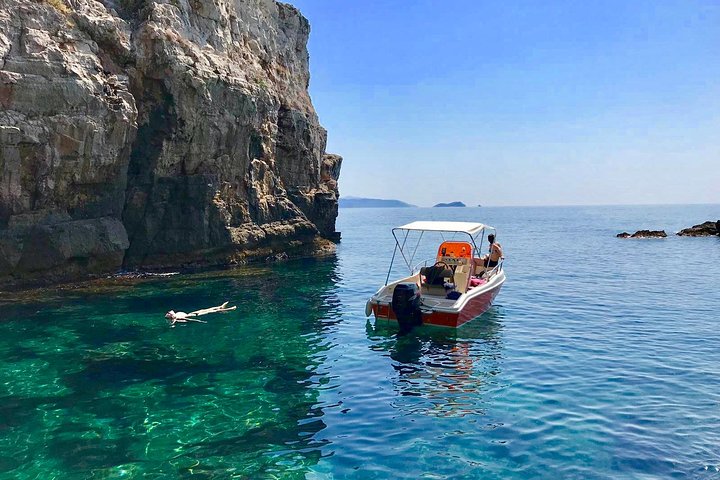
Limestone cliffs crash into turquoise wine. Every island breathes rosemary and salt.
Top Things to Do in Croatia
Find activities and tours you'll actually want to do. Book through our partners -- no booking fees.


Plan Your Trip
Essential guides for timing and budgeting
Climate Guide
Best times to visit based on weather and events
View guide →Day Trips
The best excursions and nearby destinations worth the journey
Explore day trips →Where to Stay
Best neighbourhoods, hotel picks, and booking tips
Find hotels →Travel Insurance
What's required, what coverage matters, and how to get a quote
Read guide →What to Pack
Climate-specific gear, essentials, and what to leave at home
See packing list →When Should You Visit Croatia?
Tap a month for weather, crowds, and highlights
View full year-round climate guide →


Your Guide to Croatia
About Croatia
Croatia greets you with the sharp slap of Adriatic salt and the resinous scent of pine that clings to every ferry rail from Split to Hvar. Step onto the polished white stones of Dubrovnik's Stradun at dawn, before the cruise crowds, and the limestone underfoot still holds yesterday's warmth while espresso machines echo off baroque façades.
Ride the slow Jadrolinija ferry from Split to Vis, budget-friendly passage that trades speed for sun-flecked water, where fishermen still mend nets in Komiža harbor that smell of anchovy and diesel, their catch destined for Konoba Bako's black-risotto at sunset. Zagreb's Tkalciceva Street wakes to the smell of krafne (jam-filled donuts, surprisingly affordable) drifting from tiny bakeries between Austro-Hungarian facades painted in fading yellows and terracotta.
July on Hvar brings 35°C heat and club music that rattles until 4 AM, plus restaurants that quadruple prices for tourists. Come in May or September, when lavender blooms along the slopes of Brač and the Adriatic is still warm enough to swim without the crowds, and you'll understand why the Romans built Diocletian's Palace here. Croatia's islands are simply too beautiful to leave.
Dubrovnik compresses its biggest decisions into a small footprint, whether to walk the city walls early morning or late afternoon, how far the summer cruise-ship crowds should push your dates toward May or October, where to sleep when Old Town prices send visitors out to Lapad, and TTDI's Dubrovnik dispatch works through those choices at the resolution this country page deliberately skips.
Split runs on its own clock inside Diocletian's Palace walls, whether to base yourself within the old town or along the Riva, which islands to ferry to first from the harbor, how early Marjan Hill's western trails empty out, and TTDI's Split briefing sorts those choices at the street level this country page can only point toward.
Travel Tips
Transportation: Island-hop on Croatia's state-run Jadrolinija ferries. The Split to Hvar line runs six times daily in summer for less than a mid-range meal. Download the Jadrolinija app before arriving. Ticket queues at Split port can eat an hour of your morning. Renting a car in Zagreb for coastal runs? Factor in the motorway toll plus hourly parking fees in Dubrovnik's Pile Gate zone that's cheaper than most European cities. Inside Croatia's old towns, walking is fastest. Those limestone alleys are too narrow for anything else.
Money: Kuna is king outside Dubrovnik. Cards work everywhere in Split and Zagreb. But on Vis and Lastovo? Bring cash. ATMs charge withdrawal fees that add up fast, so pull larger amounts. Restaurant bills include 25% VAT but tipping 10% is expected. Locals simply round up. Croatia's Sunday produce market at Pazar accepts euros at terrible rates. Stick to kuna for tomatoes that taste like summer.
Cultural Respect: In Dalmatian konobas, don't sit until invited. Hosts seat guests personally, often by family groups. Swimwear belongs on Croatia's beaches. Walking shirtless through Hvar Town's harbor draws stares and muttered 'turisti.' When entering churches like Split's Cathedral of St. Domnius, cover shoulders and knees. They hand out paper shawls for a small fee. But having your own scarf saves the queue. Sunday lunch runs 2-5 PM. Expect shuttered restaurants before and after.
Food Safety: Adriatic seafood is landed daily. But skip raw oysters outside months with 'R' in their name, September through April only. Konoba menus change with catch. If they push 'fresh' scampi in August, it's frozen. Tap water is perfect everywhere in Croatia except on some smaller islands where it tastes metallic. Buy bottled water at markets for less than you'd pay back home. Street food? Pečenje (whole pig roasted on spit) at Zagreb's Dolac Market is safe, cheap, and served by vendors who've worked the same spot for decades.
When to Visit
June delivers 26°C days and water warm enough for swimming without Croatia's July price spike on Hvar hotels. September is the sweet spot, 24°C, lavender harvest on Hvar, and konoba owners who finally have time to chat. October drops to 19°C but brings truffle season in Istria and hotel prices significantly lower than August.
January brings the Zagreb Advent markets, mulled wine and ice skating in King Tomislav Square, though coastal Croatia shutters tight. April sees 18°C and wildflowers on Brač slopes but beware the jugo wind that can cancel ferries for days. July and August hit 34°C with water like bathwater and Dubrovnik's city walls charging a splurge-worthy entrance fee, worth it at dawn when the stones aren't frying.
November through March brings budget-friendly hotel rooms in Split. But many island restaurants close and the sea becomes a steel gray that even locals avoid. Budget travelers: shoulder seasons (May, September) cut accommodation costs 35-45% while keeping restaurants and ferry schedules intact. Families should aim for late June when Croatia's water is warm but school holidays haven't started.
More Ways to Experience Croatia
Tours, day trips, and local experiences curated by on-the-ground operators.
Didn't see anything interesting yet?
Browse Viator's full catalog of tours, day trips, food experiences, and private guides in Croatia.
See All Croatia Tours on Viator