Things to Do in Croatia in December
December weather, activities, events & insider tips
Low Season · Budget Friendly
December Weather in Croatia
Temperature, rainfall and humidity at a glance
77°F (25°C)
High Temp
68°F (20°C)
Low Temp
2.0 inches (51 mm)
Rainfall
70%
Humidity
⚠ The bora (bura) can roar in without warning, slamming gusts that halt ferries, close the Krk Bridge, and endanger drivers on exposed roads. Check forecasts daily.
Making the most of December in Croatia? Browse tours and activities in Croatia on GetYourGuide.
Is December Right for You?
Weigh the advantages and considerations before booking
Advantages
- + Dawn on Dubrovnik's limestone Stradun belongs to you. Your footsteps echo off 16th-century walls without the cruise-ship roar. The promenade feels private, almost conspiratorial, before the city wakes. Worth the early rise.
- + The Adriatic reads 59°F (15°C) and some days it tops the air. Brisk? Yes. Invigorating? Absolutely. You'll have pebble coves to yourself. Zero competition. Pack quick-dry towels.
- + December light is gold dust for lenses. Low, soft beams ignite Split's Diocletian terracotta and Rovinj stone. Summer's harsh glare never manages this glow. Bring extra memory cards.
- + Croatia slows to local time in December. Walk into Zagreb's Vinodol without a booking. Roasting chestnuts and kuhano vino perfume Advent stalls. The city smells like winter comfort.
Considerations
- − Island-hopping ferries shrink to skeleton timetables. The last Split-Hvar boat may leave at 3 PM. Day trips turn into sleepovers. Plan or linger. Check the schedule twice.
- − Makarska Riviera beach clubs are shuttered. Chairs stack on terraces. The coast trades pulse for quiet. You hear waves, not DJs. Bring a book, not flip-flops.
- − Pelješac weather pivots fast. A sunny breakfast can become a bora-lashed lunch. Wind barrels down from Velebit. Boats cancel. Outdoor plans evaporate. Carry a rain shell.
Short on time in December? See day trips around Croatia on GetYourGuide.
Best Activities in December
Top things to do during your visit
Private Boat Tours to the Elafiti Islands
Charter like a local this month. Summer armada is gone. Šipan, Lopud, Koločep feel undiscovered. The sea turns glassy. Pines scent the air. Winter sun paints the water deep blue, good for photos without glare. Operators still sail, never overbooked. They tweak routes on the spot. You get coves to yourself for picnics. Book a week ahead. But cancellations open last-minute slots. Pick licensed skippers with agile boats that slip into shelter if bora kicks up. Check the booking section for current private tours.
Booking Tip: Secure your week or two ahead. Yet watch for cancellations. Smaller, agile boats reach sheltered coves when bora rises. Licensed skippers adapt fast. See current options below.
Walking Tours of Diocletian's Palace & Split's Old Town
Split's Roman heart beats clearer in December. No shoulder crush. Guides whisper acoustics in the Peristyle. Cool stone basements smell of espresso and centuries. Climb Saint Domnius tower without sweat. Ideal walking weather.
Booking Tip: Book a day ahead for small-group or private tours. Ask for crypt or Jupiter's Temple access. Rain showers make indoor stops perfect. Easy.
Istrian Hill Town & Truffle Experiences
Truffle season peaks in Motovun forest during December. Damp earth releases pungent treasure. Walk behind dogs through misty oaks. Leaves crunch. Finish in a farmhouse with shavings on cheese or eggs. Hill towns Motovun, Grožnjan, Hum float in fog like movie sets. Echoes follow your steps. Book two weeks ahead for weekends. Verify the tour includes forest walk and tasting, not just lunch. Check the widget.
Booking Tip: Weekend slots vanish fast. Confirm the package covers forest trek and tasting. Some are only restaurant meals. Book early.
Advent Market & City Exploration in Zagreb
Zagreb's Advent ranks among Europe's best from late November to early January. Zrinjevac and Cathedral streets fill with wooden huts. Air carries kuhano vino and fritule. Choirs sing under millions of lights. It's communal, cozy, free.
Booking Tip: Markets need no ticket. For deeper insight, join a guided food walk. Evening slots fill. Reserve a few days ahead. Bring appetite.
National Park Visits (Plitvice Lakes or Krka)
Plitvice and Krka in December feel otherworldly. Crowds gone. Silence reigns. Veliki Slap thunders alone. Bare trees frame turquoise water. Ice sculpts the cascades. Wooden planks frost over. Some upper lakes may close. You trade risk for solitude. Wear grip soles.
Booking Tip: Check park sites for winter hours and closures. Tickets available day-of. Waterproof boots essential. Mountain roads slow travel. Leave early.
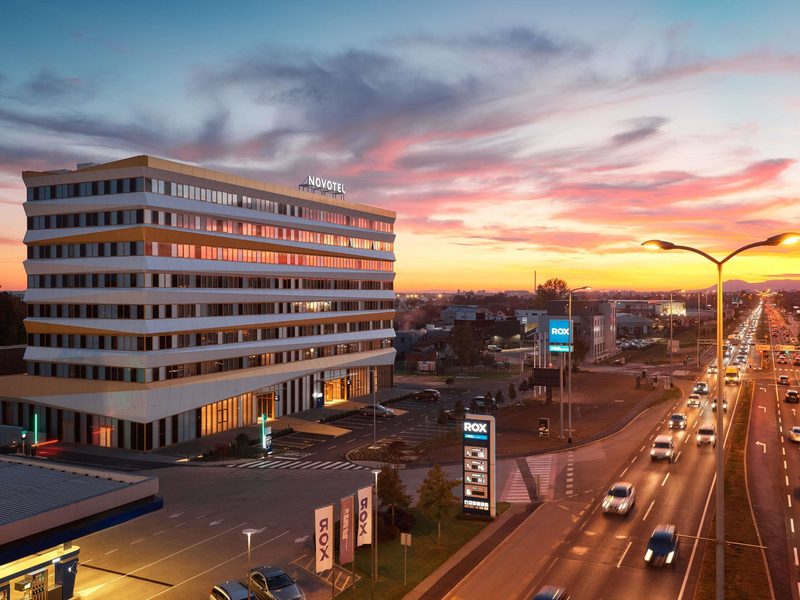
Where to Stay in Croatia in December
Hand-picked hotels across price tiers for December travellers.
Public Holidays in December
Dates that affect opening hours, transport and crowds
Božić
Known in English as Christmas Day. Observed nationwide as a public holiday.
Prvi dan po Božiću, Sveti Stjepan, Štefanje, Stipanje
Known in English as St. Stephen's Day. Observed nationwide as a public holiday.
Božić
Known in English as Christmas Day. Observed nationwide as a public holiday.
Prvi dan po Božiću, Sveti Stjepan, Štefanje, Stipanje
Known in English as St. Stephen's Day. Observed nationwide as a public holiday.
Božić
Known in English as Christmas Day. Observed nationwide as a public holiday.
Prvi dan po Božiću, Sveti Stjepan, Štefanje, Stipanje
Known in English as St. Stephen's Day. Observed nationwide as a public holiday.
Packing Checklist
Bookmark this page — your progress is saved between visits
Need the full list with shopping links?
Climate-specific gear, brand recommendations, and what to leave at home.
View Croatia Packing List →Essential Tips
Insider knowledge and common pitfalls to avoid
Insider Knowledge
Hit Dubrovnik's Pile Gate or Split's Riva by 8 AM for golden light and empty stone. Peace lasts about two hours before crowds increase.
Coastal buses, like the Split-Dubrovnik line, run more often and reliably in winter than ferries. Choose wheels over water for point-to-point hops.
If forecasters post a bora (bura) warning, cancel boats and bridge crossings. This wind can stop all maritime traffic and make exposed roads treacherous.
In restaurants, ask for 'zimska jelovnik' or 'dnevna ponuda'. These winter menus dish up hearty pašticada or brudet, good for cold nights.
Avoid These Mistakes
Never assume everything is open. Family konobas, boutique shops, and island sites often trim hours or close from November to March. Check times before you travel.
Don't island-hop on a tight schedule. The Jadrolinija ferry timetable rules. Miss the last boat and you're booking a hotel.
Don't pack only for 'Mediterranean' sun. A sunny 68°F in Split feels tame; a cloudy, windy 68°F in Rijeka bites. Wind chill is real on the water.
Ready to plan your trip to Croatia?
Now that you've got the research covered, here's where to go next.
Book Experiences in Croatia
Top-rated things to do in Croatia this December


Explore More Activities in Croatia
Didn't see anything interesting yet?
Browse Viator's full catalog of tours, day trips, food experiences, and private guides in Croatia.
See All Croatia Tours on Viator